Mount Holly sits in thunderstorm country, and every summer storm sends small power surges through the lines along with the big ones people notice. A power strip with a surge light handles a single outlet. The furnace board, the refrigerator controls, the washer electronics, and the garage door opener sit on other circuits entirely. Whole-house surge protection answers that gap at the panel, where all circuits pass, and it is simpler to have fitted than most first-timers expect.
A surge is a brief spike in voltage. Lightning nearby is the dramatic source, but utility switching and large motors cycling also create smaller spikes, day after day. Electronics tolerate small spikes poorly over time: boards weaken, then fail during an unremarkable storm months later. Layered protection, panel device first and point-of-use second, is the standard strategy.
What the panel device does and does not do
A whole-house surge protective device mounts at or inside the main panel and diverts excess voltage to ground the moment it appears, clamping the spike for every circuit at once. It does not protect against a direct lightning strike's full energy, prevent outages, or fix voltage that sags. It also wears: each surge it absorbs uses part of its capacity, and better units show a status light or indicator so you know the protection is still alive. A device with a dead indicator is a decoration, not a defense.
Cable, internet, and antenna lines are separate doors into the house. A complete plan bonds protection for those lines too, since a surge can enter on a coax line and reach a television the panel device guarded perfectly on the power side.

The installation, step by step
- Assessment. The electrician reviews the panel make, available breaker space, and grounding condition, since a surge device is only as good as the ground path it diverts into. Poor grounding gets corrected first.
- Selection. A device matched to the panel is chosen, with an indicator you can check and a rating suited to a single-family home. Type and placement follow the panel layout: some units wire to a dedicated breaker, others mount beside the panel.
- Power down and mounting. The panel is de-energized for the work, the device is mounted, and its leads are connected as short and straight as possible, because lead length directly affects how fast the device can clamp a spike.
- Verification. Power is restored, the indicator is confirmed live, and the electrician shows you where to look during future checks and what a failed indicator means.
- Layering at key outlets. Computers, entertainment gear, and networking equipment keep their point-of-use strips as the second layer, now backed by the panel device handling the bulk of each event.
- Ongoing checks. Glance at the indicator after major storms and during seasonal chores. If it shows the device has sacrificed itself, schedule replacement promptly, since the house is unprotected until then.
Why strips alone fall short
Most plug-in strips protect one outlet group, vary widely in quality, and expire silently. The fridge, HVAC controls, well pump, and built-in appliances never pass through a strip at all. In Piedmont homes where a single storm season can bring dozens of thunderstorm days, the panel device is the only layer that sees every event on every circuit. It also protects against the frequent small spikes from inside the home and the grid that never make the news but steadily age electronics.
Cost in effort, and who should fit one
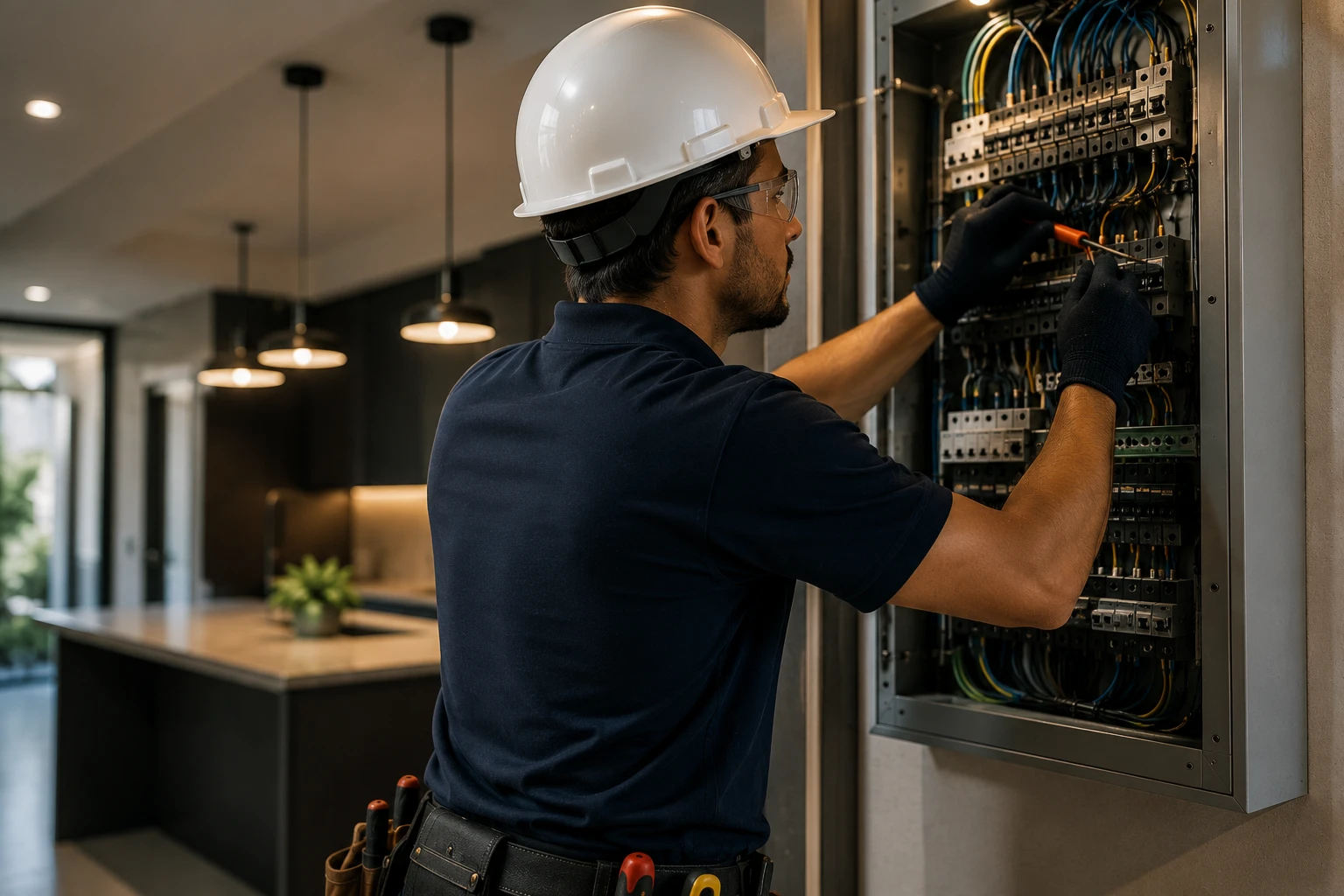
Panel work is licensed electrician work, not a homeowner project: the panel interior holds energized parts even with breakers off. The visit itself is typically short, often combined with a panel health check that catches loose connections and tired breakers in the same trip. Homes with a home office, medical equipment, a workshop, or simply a full set of modern appliances gain the most. If you are booking a panel upgrade or adding a circuit anyway, ask Cherry Electric Co. to fit surge protection in the same visit, when the panel is already open.
Common questions
Will whole-house surge protection stop lightning damage completely?
No device can promise that against a direct strike. It greatly reduces damage from nearby strikes and everyday spikes, which account for most surge losses, especially when combined with point-of-use protection and proper grounding.
How long does a panel surge device last?
It depends on how many surges it absorbs. In active storm areas a device may serve for years or sacrifice itself in one severe event. Check the indicator after big storms; a spent device needs prompt replacement.
Do I still need surge strips if I have panel protection?
Yes, for sensitive electronics. The panel device clamps the bulk of a surge, and the strip trims what remains at the outlet. The two layers together are the standard recommendation for computers and entertainment equipment.
Photos in this guide are representative stock images.
← All guides from Cherry Electric Co.← Back to Cherry Electric Co.